

Common stress patterns seen in shelter and rescue dogs may include:
Shutdown or learned helplessness
Hypervigilance and constant scanning
Reactivity, barking, or barrier frustration
Freezing, avoidance, or refusal to engage
Sensitivity to touch, handling, or confinement
Difficulty settling, resting, or self-regulating
These behaviors are often signs of a nervous system under chronic stress—not defiance, stubbornness, or “bad behavior.”
For Shelter & Rescue Staff
Learn to recognize canine nervous system states, reduce daily stress load, and support regulation during routine care, handling, and transitions.
For Volunteers & Foster Homes
Build confidence in reading canine body language, understanding stress signals, and responding in ways that promote safety and trust.
For Leadership & Organizations
Support improved welfare, safer handling practices, and long-term outcomes through trauma-responsive education that aligns with modern behavioral science.
For Overwhelmed, Sensitive, or Shutdown Dogs
This work centers the dogs most often misunderstood—the quiet ones, the reactive ones, and the ones who have learned to disappear.
The Shelter & Rescue Program is currently evolving as we build sustainable partnerships and funding pathways. Organizations interested in learning more, exploring future collaboration, or discussing grant-supported training opportunities are encouraged to reach out through the contact page.

A structured learning path combining video lessons, demonstrations, worksheets, and real case examples.




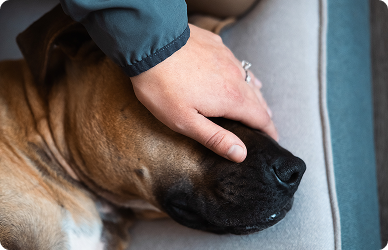
Short, clear lessons focused on nervous system education and practical awareness
Tools to help you notice patterns, progress, and regulation over time
Watch real interactions that teach you how to observe, not force outcomes
Shelter dogs, anxious dogs, and everyday homes—no “perfect dog” edits
Ask questions directly within the course and receive guidance and clarification to support your learning and observation process.
Build a clear understanding of how safety, stress, and regulation shape behavior—without overwhelm or clinical language.
Learn the foundations of canine nervous system regulation and build safety-based support whether you’re a dog guardian, rescuer, or professional.