
Stillness, Safety, and the Myth That Regulation Requires Movement
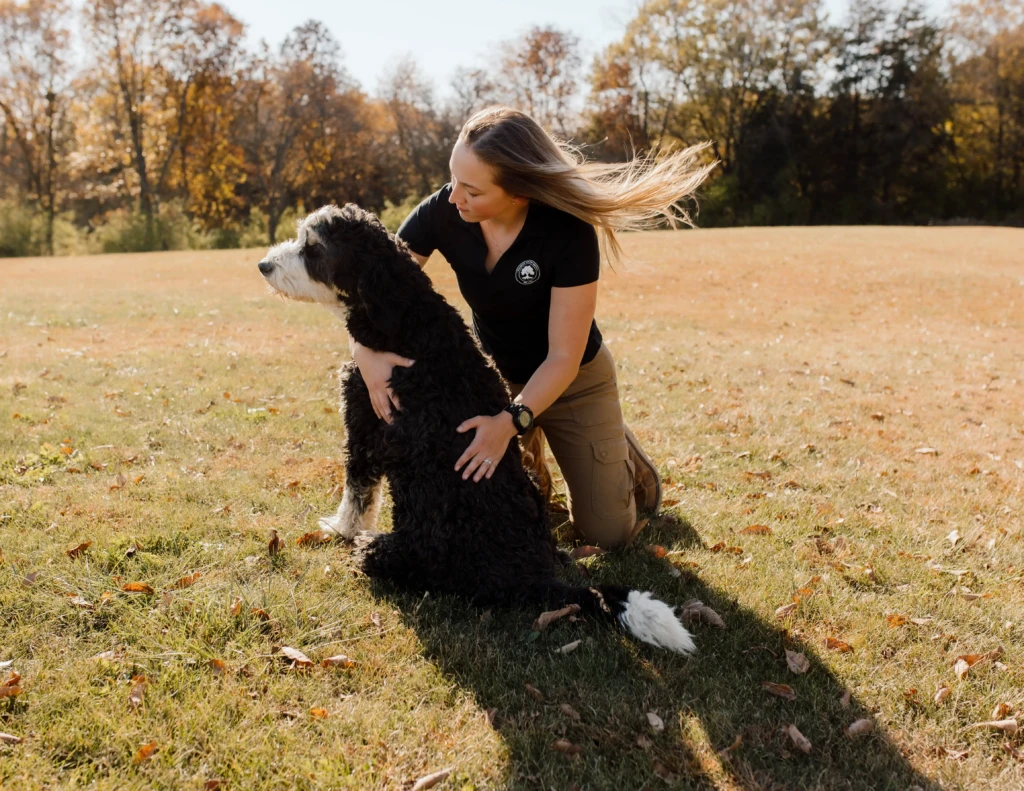
Movement is often recommended as a solution for dysregulation. Walks, play, exercise, and enrichment are frequently prescribed to help dogs “burn off energy.” While movement can be regulating under the right conditions, it is not always the answer. For many dysregulated nervous systems, constant movement is not regulation. It is avoidance. Movement becomes dysregulating when […]
Behavior Is the Output, Not the Problem: Understanding Canine State
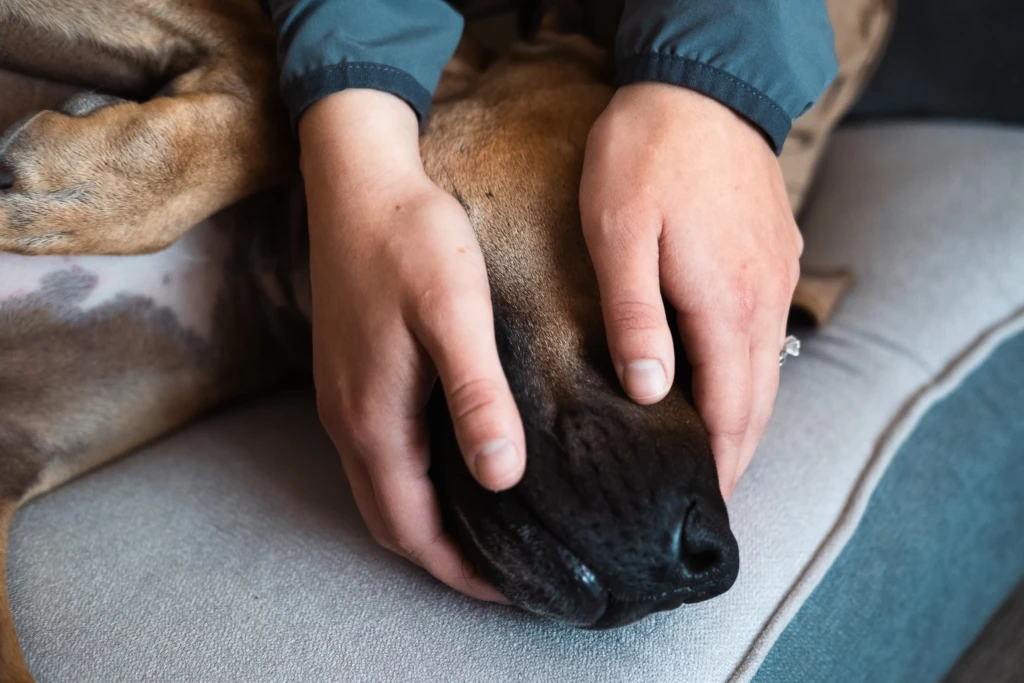
When a dog reacts, avoids, freezes, paces, or struggles to settle, behavior is often treated as the issue to be corrected. From a nervous system perspective, behavior is not the problem. It is the output. The nervous system drives behavior, not the other way around. Every action a dog takes is shaped by their current […]
Why Dogs Offer Regulation Without Demand: A Nervous System Perspective
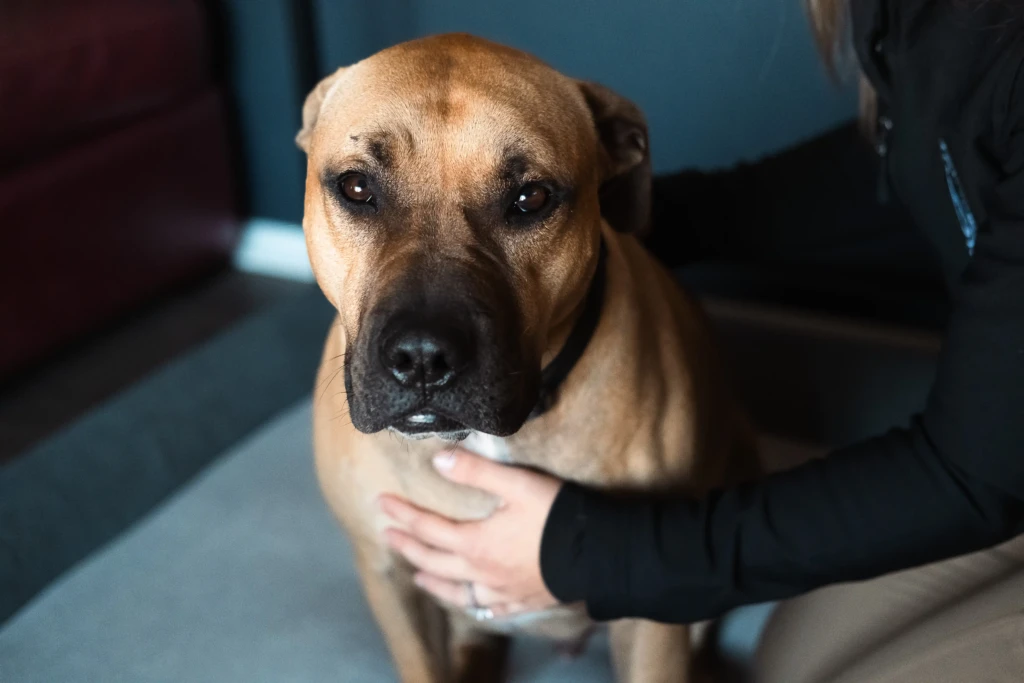
Many people describe feeling calmer with their dog than with other humans, even close friends or family. This experience is often dismissed as emotional attachment, but there is a clear physiological explanation rooted in how the nervous system perceives safety and threat. The autonomic nervous system is constantly scanning the environment for cues of safety […]