
The Waldrup Somatic Method™
Home > The Method
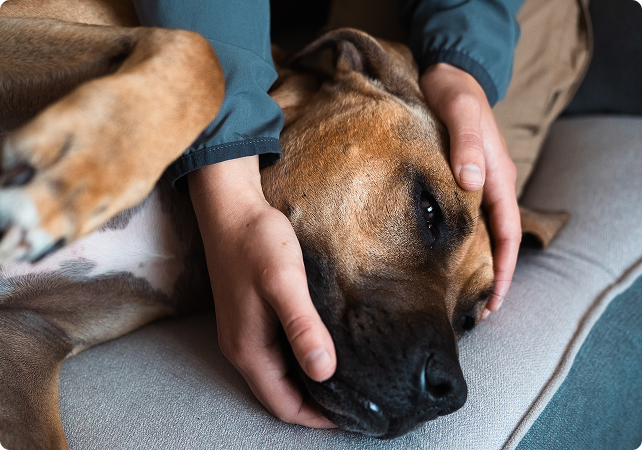
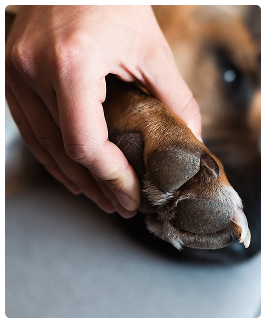
A new Paradigm
in Dog Behavior
The Waldrup Somatic Method™ integrates canine neuroscience, somatic therapy, and trauma-informed care to help dogs shift out of survival states and into safety, resilience, and trust.
We don’t train behavior. We restore safety.
The Four Pillars of Nervous System Healing
Nervous System Literacy
Learn to read the language of the body. We identify stress patterns, shutdown responses, hyperarousal, and displacement behaviors through real-time nervous system cues. Observation without judgment becomes the foundation of regulation.
Somatic Regulation
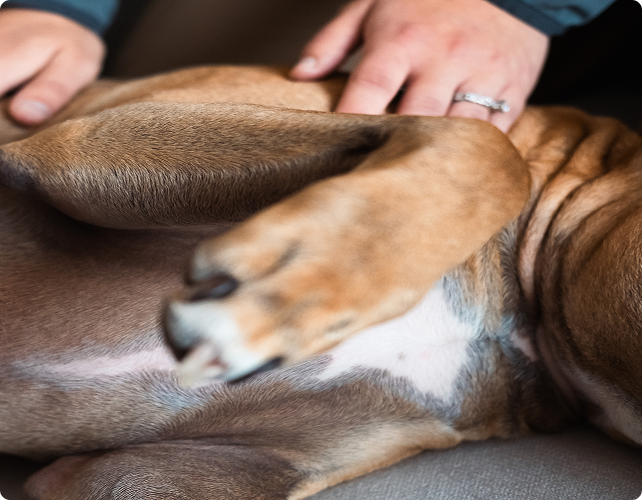
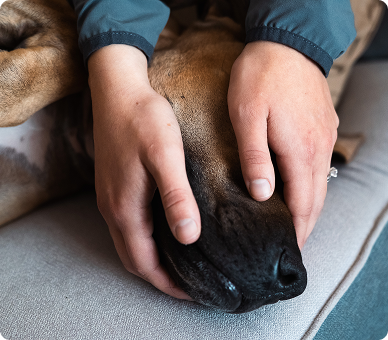
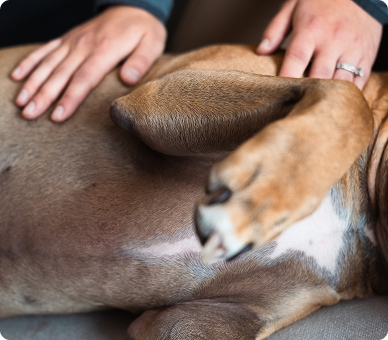
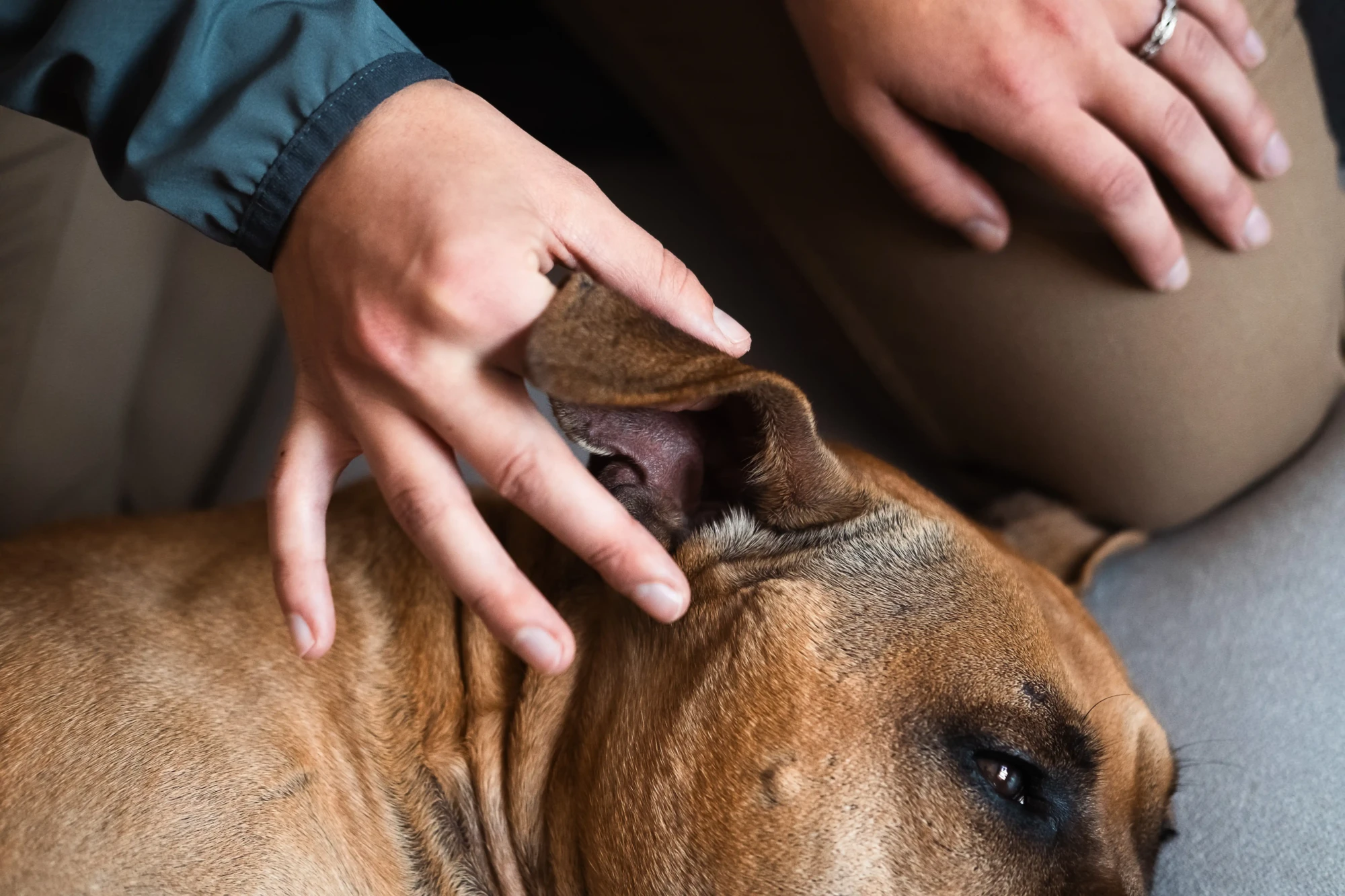
Using gentle, body-based techniques, we guide dogs back into their window of tolerance. Touch, pacing, grounding, and co-regulation create felt safety — the prerequisite for learning.
Neural Integration
Daily somatic rituals and environmental adjustments help the nervous system build new baseline patterns. This is how healing becomes sustainable — not situational.
Relational Repatterning
Dogs learn safety through relationship. Through attunement and co-regulation, the human becomes the dog’s anchor, not their trigger.
What Is the
The WSM Framework™ ?


Nervous System Mapping
We identify survival patterns including overwhelm, shutdown, hypervigilance, and dissociation.


Regulation Protocols
Body-based techniques that directly reset the nervous system through the fascia, vagus nerve, and sensory pathways.

Relational Safety Building
Human and dog attune in real time, building trust through shared nervous system states.

Neural Rewiring
The nervous system learns new default responses through repeated safe experiences.

Sustainable Integration Plan
Tailored practices for home, shelters, or professional settings.
Why Somatic
Therapy for dogs?
Behavioral challenges don’t begin in the mind.
They begin in the nervous system. Anxiety, reactivity, aggression, shutdown, and fear are not obedience problems — they are survival responses. The Waldrup Somatic Method™ addresses the root cause: nervous system dysregulation.
Reduces anxiety & reactivity
Supports trauma & freeze recovery
Builds trust in fearful or rescue dogs
Improves relationships & communication
The Science & Fieldwork behind WSM™
The Waldrup Somatic Method™ is an evidence-informed, trauma-responsive framework grounded in established neuroscience and refined through real-world canine rehabilitation.
The methodology integrates autonomic nervous system regulation, polyvagal theory, somatic psychology, canine neurobehavioral science, trauma-informed care principles, and applied rehabilitation practices within shelter and clinical environments.
Protocols are continuously refined through field application, practitioner observation, and longitudinal case documentation.
Tyson — From Hypervigilance to Regulation & Trust
Case Study: Measurable Changes in Stress Patterns Following Somatic Intervention
Higher Trust & Connection Scores
Frequently Asked Questions
1. Can somatic work help reactive, anxious, or aggressive dogs?
Yes. Most reactivity and aggression are nervous system survival responses — not training failures. WSM works by calming the body first so the brain can return to learning mode. When the nervous system feels safe, behavior naturally changes.
2. How long does it take to see changes?
3. Do I need prior somatic or training experience to use method?
4. Is Waldrup Somatic Method™ gentle and humane?
5. How is WSM different from traditional dog training?
6. Can I use this method with rescue or shelter dogs?
7. What if my dog has trauma from a difficult background?
8. Can professionals integrate WSM into their existing work?
Yes. Trainers, veterinarians, behaviorists, groomers, and rescues can integrate WSM principles to improve outcomes, reduce stress, and create safer handling experiences.
1. Can somatic work help reactive, anxious, or aggressive dogs?
Yes. Most reactivity and aggression are nervous system survival responses — not training failures. WSM works by calming the body first so the brain can return to learning mode. When the nervous system feels safe, behavior naturally changes.
3. Do I need prior somatic or training experience to use method?
No. The WSM framework is designed for dog owners, trainers, rescues, and professionals of all backgrounds. The education is structured, step-by-step, and beginner-friendly.
5. How is WSM different from traditional dog training?
Traditional training focuses on behavior.
WSM focuses on the nervous system that creates behavior. We regulate the body first — then behavior naturally follows.
7. What if my dog has trauma from a difficult background?
Trauma lives in the nervous system. WSM gently unwinds survival responses and helps dogs rebuild safety, trust, and emotional stability at their own pace.
2. How long does it take to see changes?
Many dogs show shifts within the first few sessions — softer eyes, deeper breathing, improved recovery after stress, and increased trust. Long-term transformation occurs through consistent integration over weeks and months.
4. Is Waldrup Somatic Method™ gentle and humane?
Absolutely. WSM is built on consent-based, trauma-informed, and force-free principles. We never override a dog’s nervous system — we listen to it.
6. Can I use this method with rescue or shelter dogs?
8. Can professionals integrate WSM into their existing work?
Yes. Trainers, veterinarians, behaviorists, groomers, and rescues can integrate WSM principles to improve outcomes, reduce stress, and create safer handling experiences.
Learn The Method Changing Canine Behavior Worldwide
Join thousands of dog owners, trainers, rescues, and veterinarians learning the future of nervous-system-led behavior.